Skip to content

know what you are buying before you buy it.

before you buy or back a catalog, a label or a music-tech company, we review its software, its data and its sites and write up what we find: what each piece does, who owns the code, the domains and the accounts, and what it would take to keep it running after the deal.

a written report, from the studio that builds label platforms, catalog stores and licensing engines.

what the review covers.

the software and the data behind the catalog or the company, in writing.

the software

for every system

what each system does, how it is built, and what it would cost to keep it running.

  • a system-by-system review

the data

for the catalog

how the catalog, the metadata and the customer records are held, and whether they can move.

  • a data review

who owns what

for code, domains, accounts

who holds the code, the domains, the merchant accounts and the customer lists, and what has to change hands at the deal.

  • an ownership list

what we build, so we know what to look for.

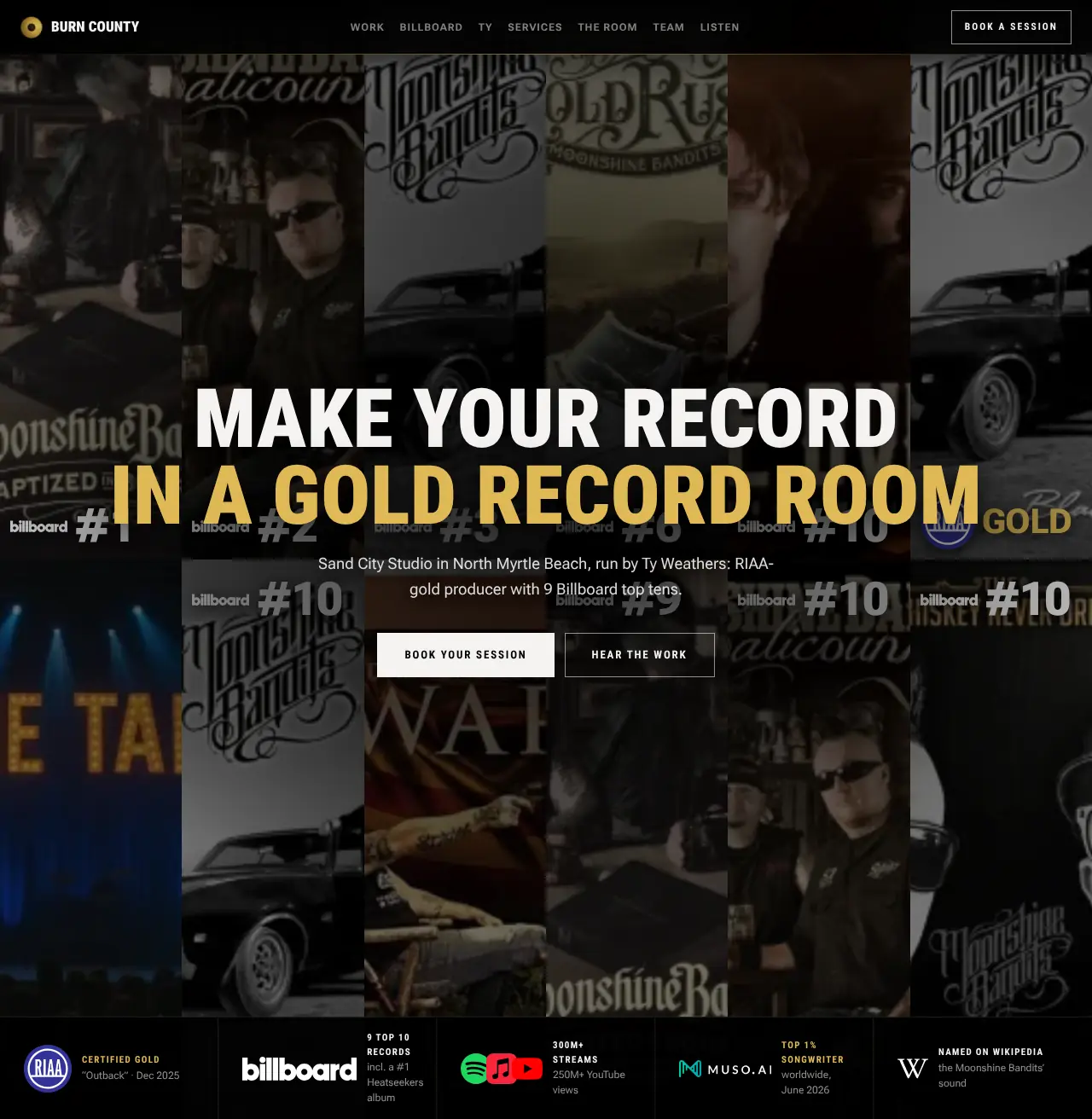
Burn County's live site, built by Studio Raine

Burn County

a label platform: one operator, three properties, one build.

  • the studio, the music brand and the marketing arm, each on its own property.
  • one storefront and one customer list under all three.
  • the catalog behind it carries nine Billboard top tens and an RIAA gold record, the client's credits.

live:burncounty.comburncountymusicburncountymedia

read the case study
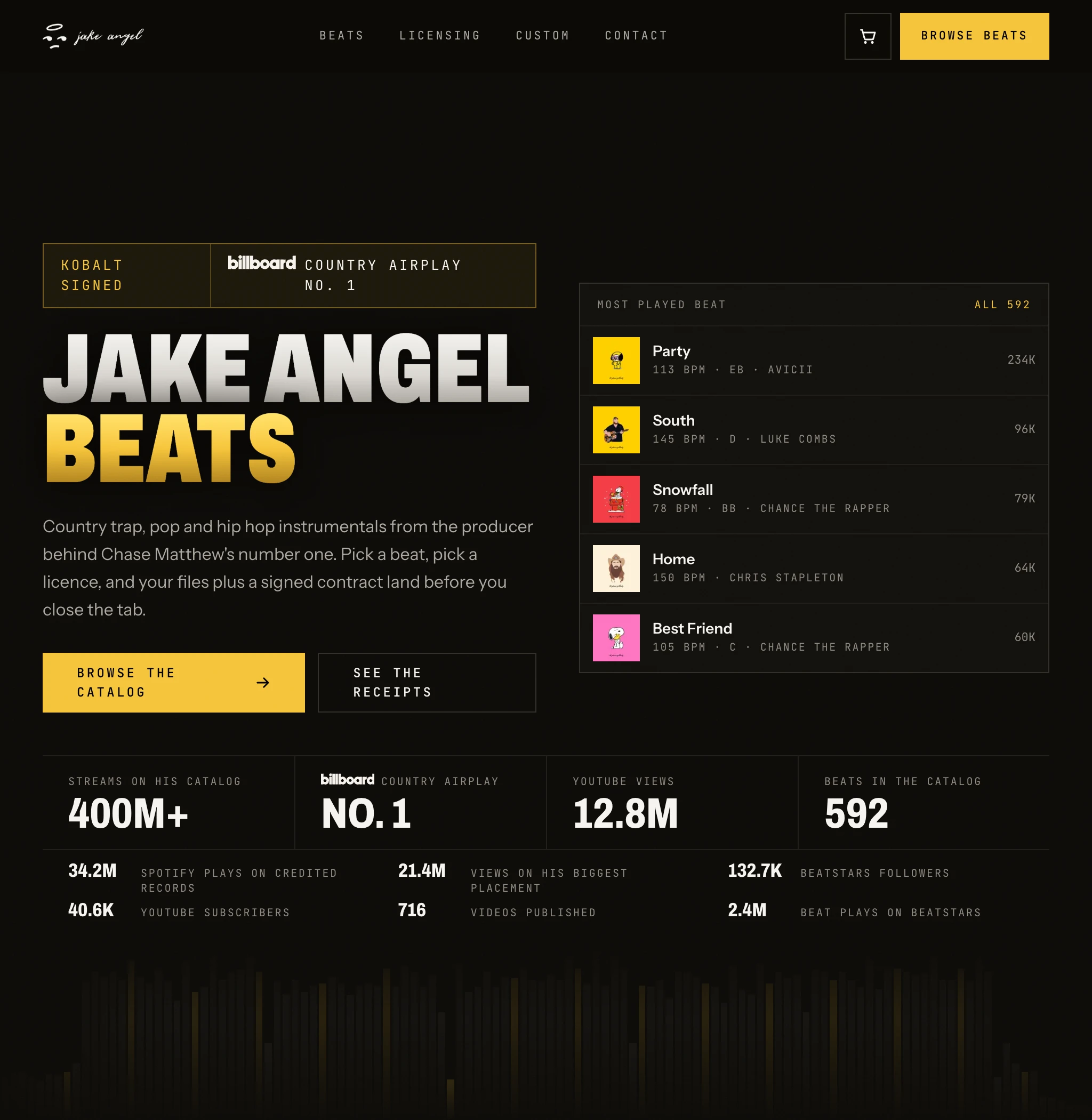
Jake Angel's live site, built by Studio Raine

Jake Angel

a beat store and licensing engine, off the marketplace.

  • a 592-beat catalog moved off BeatStars onto his own domain.
  • every sale writes and stamps its own licence agreement.
  • beat previews play on every product page before anyone buys.

live:jakeangelbeats

read the case study
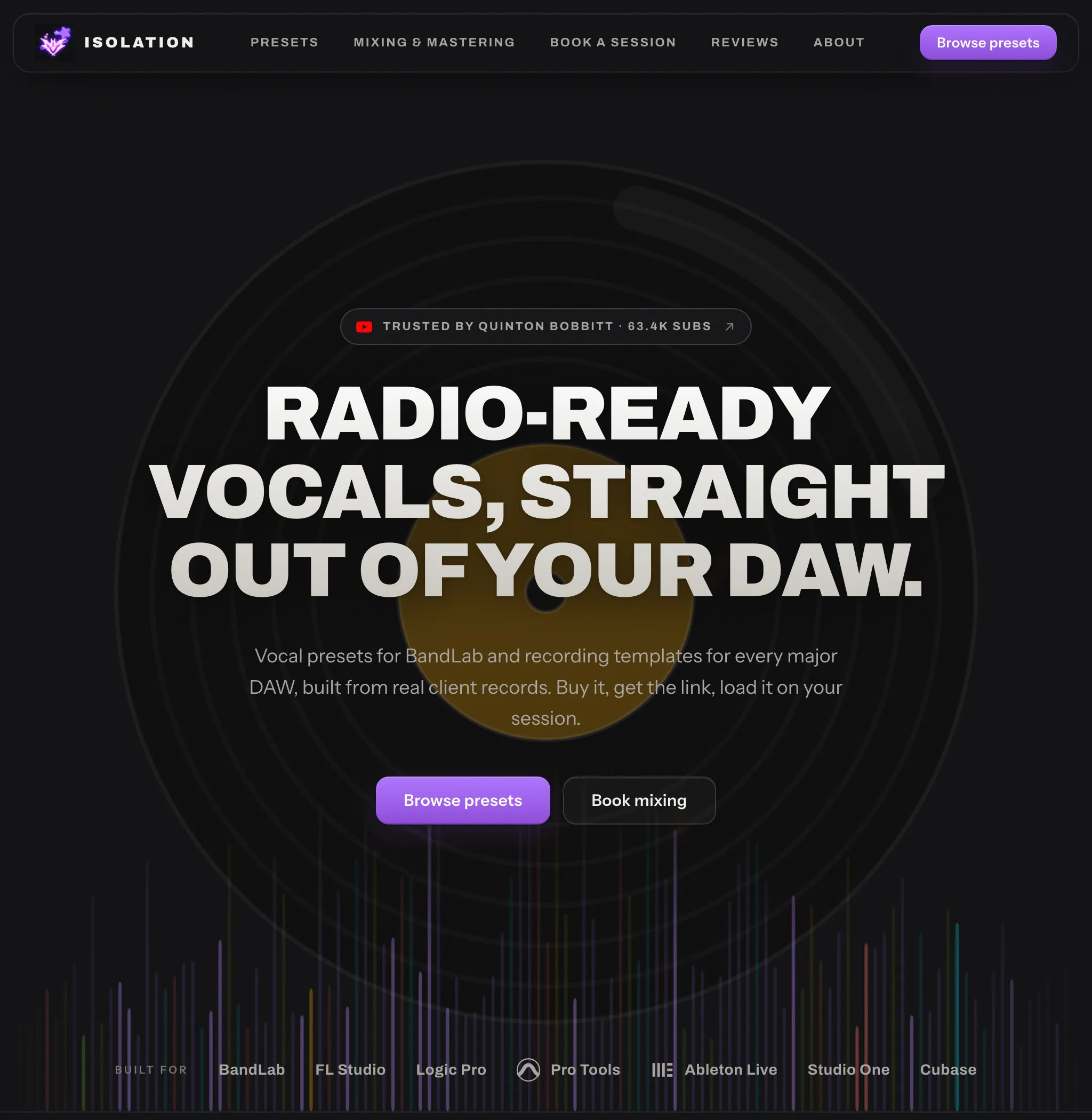
Mixed by Isolation's live site, built by Studio Raine

Mixed by Isolation

a preset store with per-sale delivery terms.

  • scope signed 5 July, live on his own domain 13 July.
  • the store landed him preset work for Quinton Bobbitt.

live:mixedbyisolation

read the case study

how a build runs.

  1. diagnostic

    most projects start with a paid diagnostic: one week, $10,000, and the full fee comes off the build if you go ahead within 90 days. it gives you the written scope, and you keep that document either way.
  2. scope

    the scope puts what gets built, the price and the ship date in writing before anything is built. the price comes from what the catalog and the roster actually need, not from a tier picked off a page.
  3. build

    the build follows the scope. the parts most agencies skip are scoped in on purpose: the licence terms written per sale, what happens to a property when an artist leaves the roster, and who sees which royalty numbers.
  4. launch and transfer

    at launch the code, the domains, the merchant account, the customer list and the analytics move into your name. there's no licence to renew and no monthly fee on the platform itself.
  5. after launch

    your team edits copy, prices, art and releases from a dashboard at no monthly cost. or you can keep us on a retainer for ongoing engineering, billed monthly and cancellable any month.

who it is for.

catalog buyers
what the catalog's systems and data cost to run.
investors
a clear look at the software before you back it.
labels and publishers
what you're taking on when you acquire.

not a fit if

  • a legal or financial audit: this is the technical review that runs alongside those

related.

custom software for the music industry
everything we build for music, with the live software.
case studies
the builds, with the figures each client publishes.
AI search
getting named when people ask ChatGPT for what you do. $25,000, paid once.

the studio already builds and publishes for

  • Traphouse
  • Knice On the Sonics
  • Isolation

who does the work.

John Raine, founder of Studio Raine

Studio Raine was founded by John Raine, an A&R and a musician who records as Raine, with released records and a working catalog on the music side. the studio is in New York City and works for labels, studios, producers, engineers and artists everywhere.

more about the studio

questions.

what is music catalog due diligence?

the review a buyer or an investor runs before paying for a catalog or the company that holds it. the legal side checks the rights and the contracts; the financial side checks the royalty history. this is the third side, the technical one: a written review of the software the catalog runs on, the metadata and the statements behind it, the sites and the accounts, who owns each piece, and what it would cost to keep them running after the deal.

what is technical due diligence?

a written review of a company's or a catalog's software, data and sites before a deal: what each piece does, who owns it, and what it takes to run.

is this a legal or financial audit?

no. it is the technical review, and it sits beside those.

what does it cost?

from $25,000, fixed in writing, set by how many systems there are to review.

text us the deal you are looking at.

no names needed in the first message.