send us your name, your company and your site. we search you the way a partner would, signed out, ask ChatGPT, Google's AI, Claude and Perplexity who you are, check whether a knowledge panel shows and whose it is, and read your site the way Google reads it. you get it back in writing, with what is fixable and what it would take.
done by a person, signed out, and sent to you in writing. if you want to go through it, we get on a 30-minute call.
Google, page one2 of 10 results hers8 of 10 results hers
Knowledge panelnonehers, claimed
ChatGPTChatGPTno reliable informationnames her and Ninefold
Google's AIdescribes a namesakedescribes her
ClaudeClaudeno answernames her and the label
PerplexityPerplexitya novelist firsther first
The visibility report, drawn for Dana Voss, a label owner we made up.
Our clients' panels.
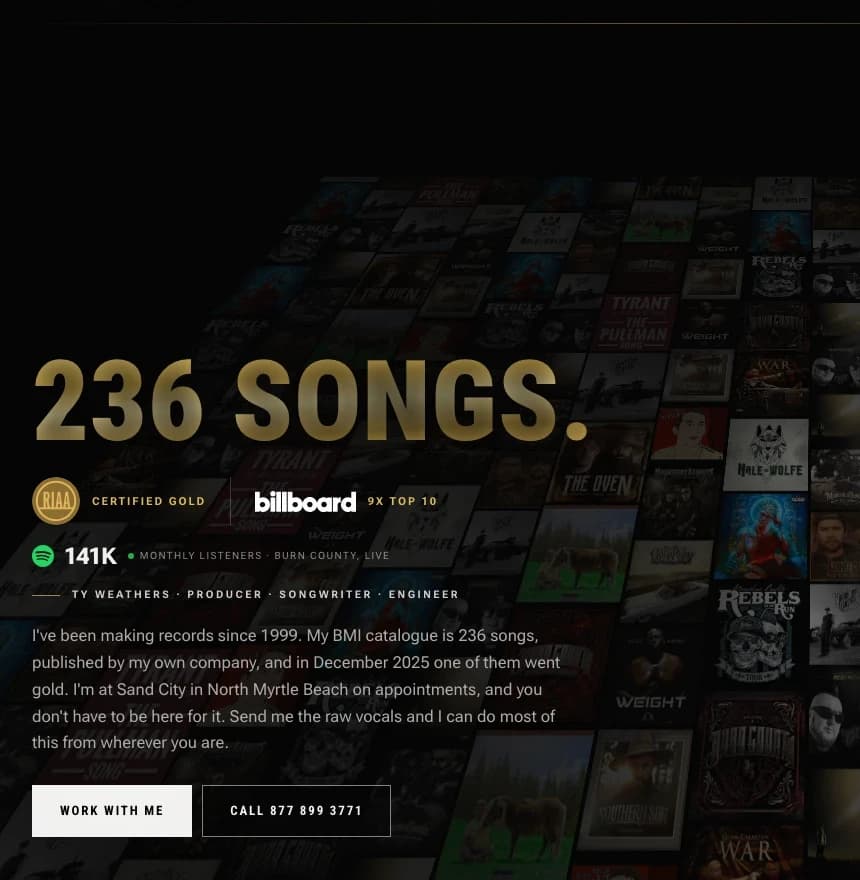
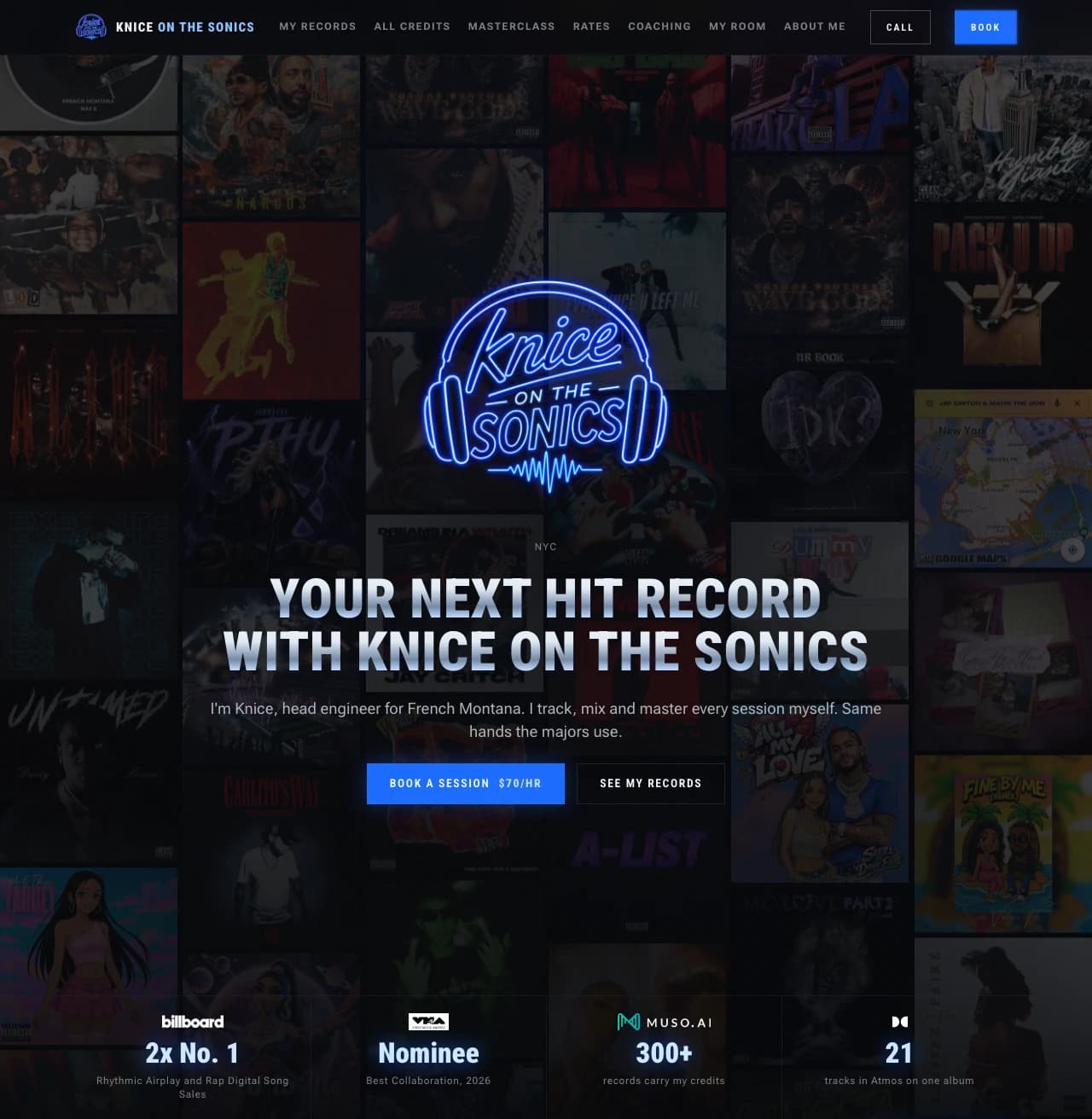
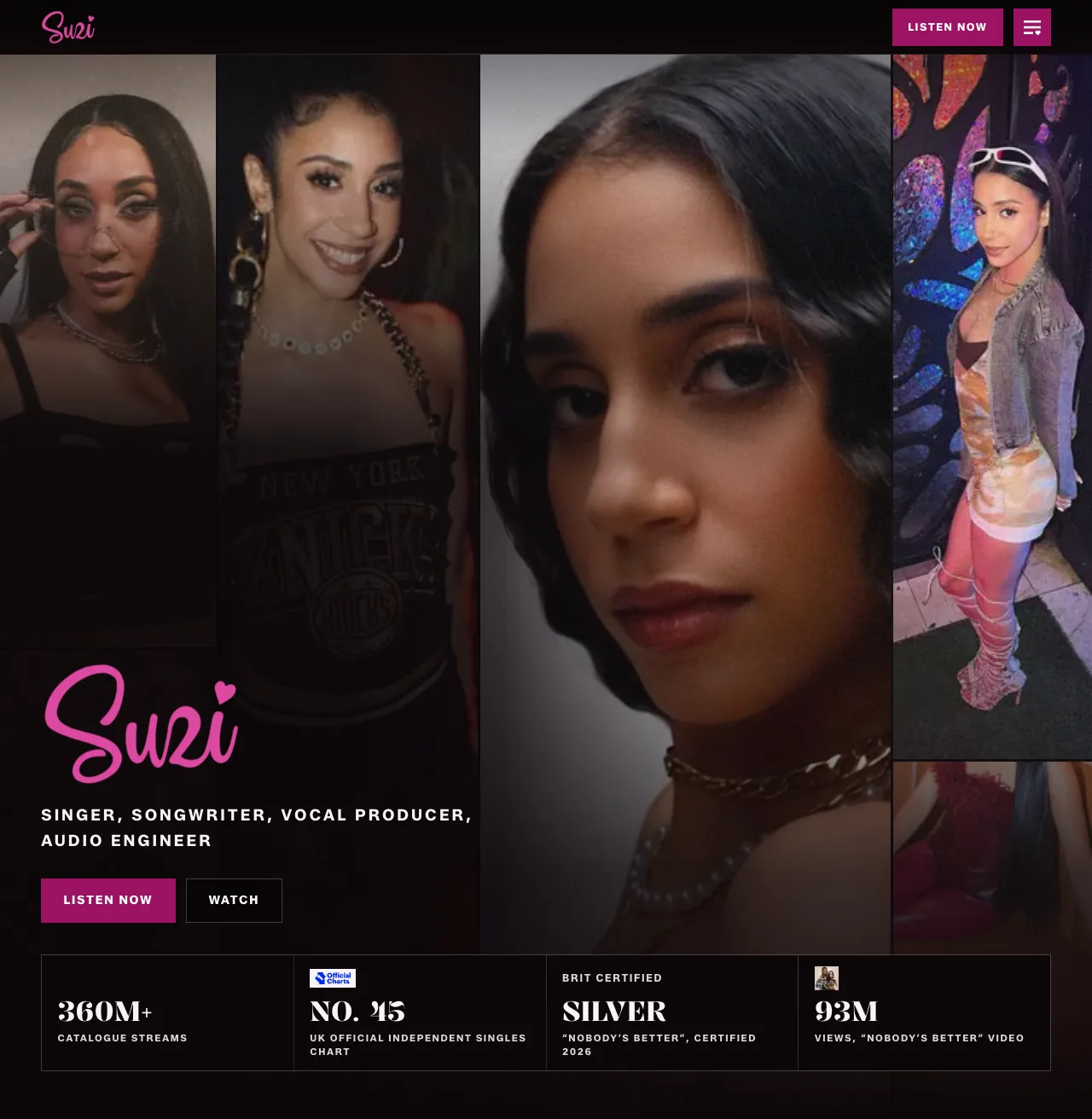
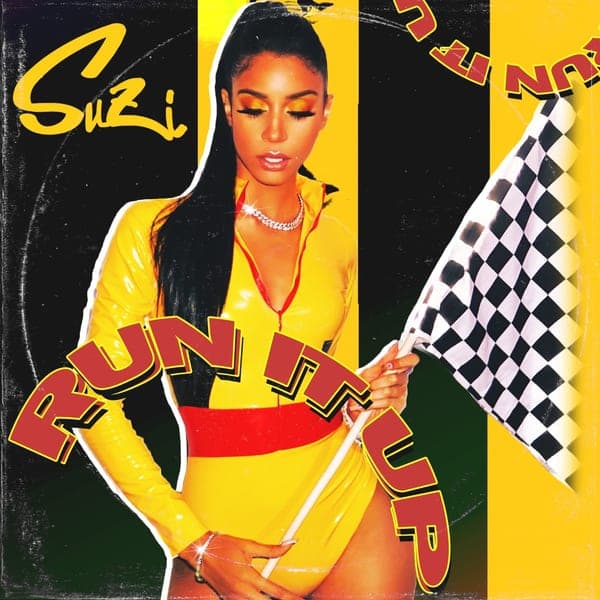
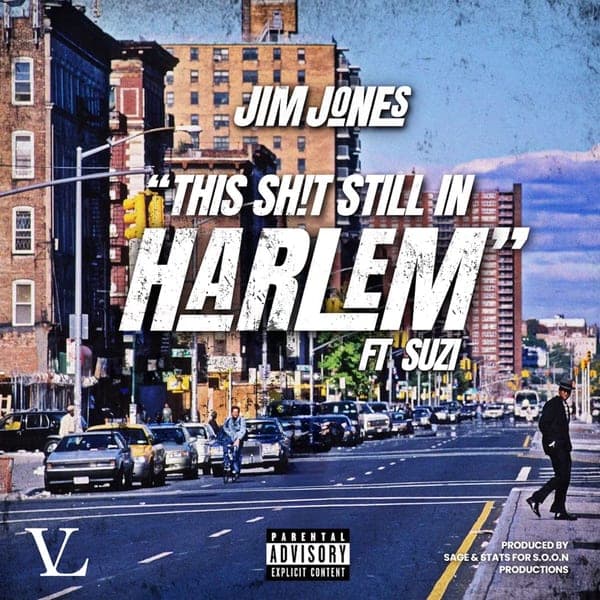
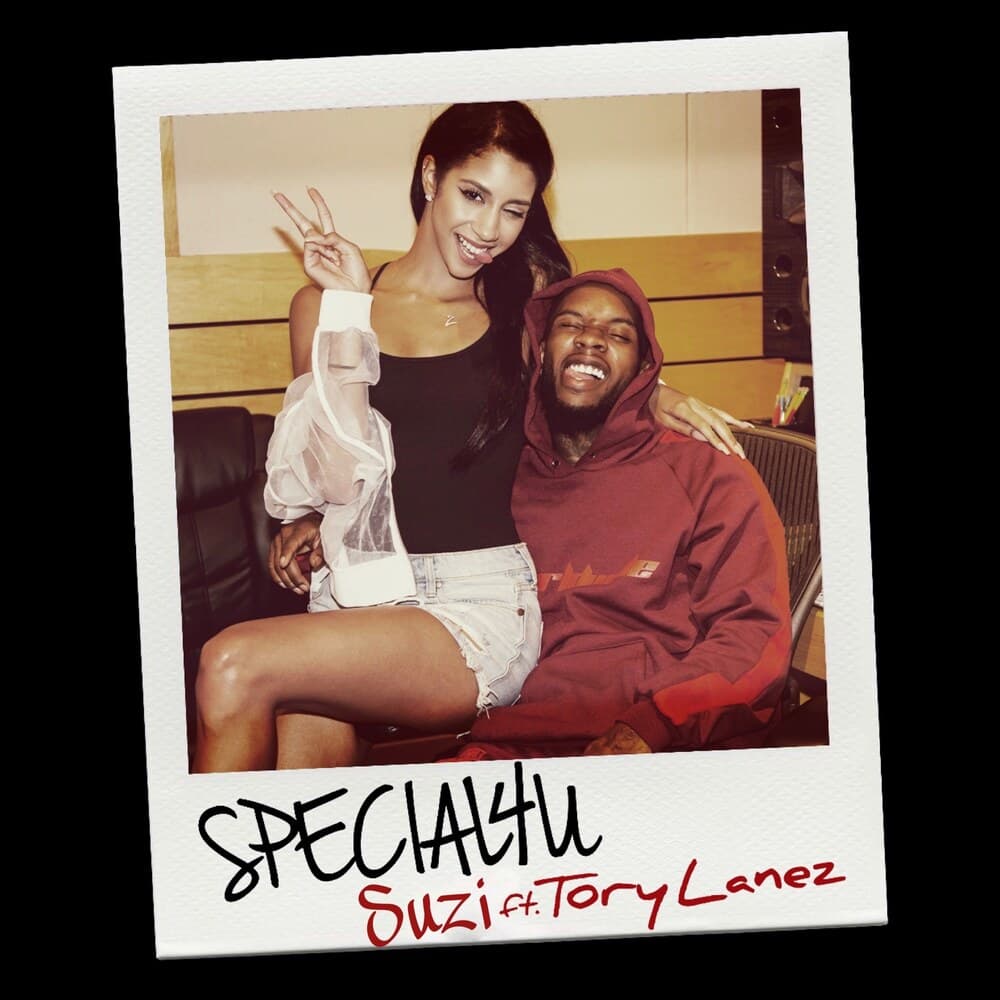
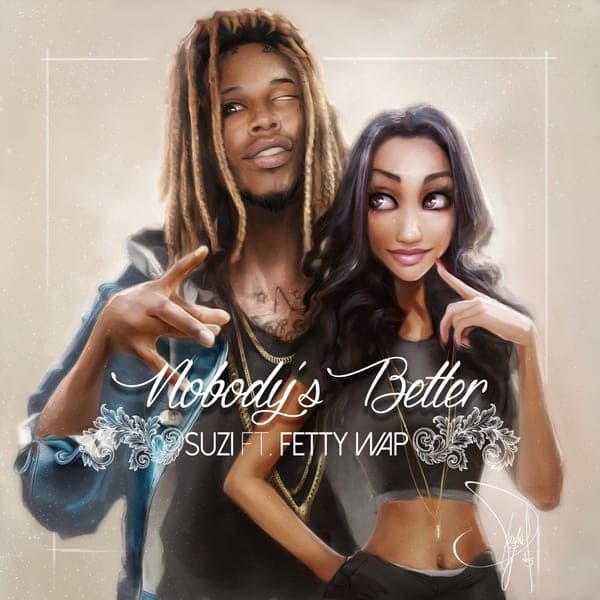
DJ Flipstar and Ty Weathers have panels on Google now, redrawn here from the live results. Brad Cox, Suzi, Knice and Rick Scott are the finished look, drawn from each one's draft article.
Dj Flipstar
Musical artist
Listen
YouTube
YouTube Music
Apple Music
Pandora
DJ Flipstar's panel, live on Google, redrawn from the live result.
what we check.
six checks, the same ones the package's visibility report runs. you can run each one yourself too, and we've written how under each.
your name on Google, signed out
for how a partner first meets you.
the first page of results for your name, as a stranger sees it: signed out, with no history. what is yours, what is about you, and what is about someone else. to check it yourself, use a private window so your own history doesn't shape the results.
the first page, recorded
what you own on it, and what you do not
Report · Ninefold Records
Before and after
BeforeAfter
Google, page one2 of 108 of 10
AI answers that name you0 of 44 of 4
Profiles that agree3 of 99 of 9
the knowledge panel
for the box beside the results.
whether Google shows a knowledge panel for your name, and whether it is yours or someone else's. Google builds panels automatically from sources across the web, and not every panel can be claimed yet. to check it yourself, search your name and look beside the results on a computer, or above them on a phone.
no panel, someone else's panel, or yours
whether it can be claimed
Dana Voss
Record executive
Dana Voss is an American record executive, the founder and chief executive of Ninefold Records, an independent label in New York.
Organization founded: Ninefold Records
Occupation: Record executive
Based in: New York City
Profiles
InstagramInstagram
LinkedInLinkedIn
XX
YouTubeYouTube
Claim this knowledge panelFeedback
what the AI tools say
for the check people now run before a meeting.
we ask ChatGPT, Google's AI, Claude and Perplexity who you are, in fresh chats with memory off, and record the answers word for word. to check it yourself, open a temporary chat in ChatGPT so the answer isn't shaped by what it remembers about you, and ask who you are using your full name and your company.
four answers, word for word
what they get right, wrong, or leave out
ChatGPT
Claude
Perplexity
Report · Ninefold Records
Before and after
BeforeAfter
Google, page one2 of 108 of 10
AI answers that name you0 of 44 of 4
Profiles that agree3 of 99 of 9
who else answers to your name
for anyone with a common name, or a stage name.
the people, companies and records that share your name, and how Google tells them apart from you today. a namesake with a stronger record can take your panel, or put their facts in yours.
every namesake found
the form of your name that is yours alone
Dana Voss
Record executive
Dana Voss is an American record executive, the founder and chief executive of Ninefold Records, an independent label in New York.
Organization founded: Ninefold Records
Occupation: Record executive
Based in: New York City
Profiles
InstagramInstagram
LinkedInLinkedIn
XX
YouTubeYouTube
Claim this knowledge panelFeedback
your site, as Google reads it
for anyone with a site, or about to have one.
whether your site says who you are in words a crawler can read, whether its structured data names you and your profiles, and whether the crawlers behind Google, Bing and ChatGPT search can reach it. to check it yourself, the Schema Markup Validator at validator.schema.org shows the structured data on any page.
what the page says to a crawler
who is allowed to read it
ChatGPT
ninefoldrecords.com
Ninefold
Independent label, New York. New music every Friday.
what others say about you
for anyone who has been written about, or should be.
the articles, interviews, credits and listings that name you, and which of them a search engine would trust. Google and the AI tools trust what others say about you more than what you say about yourself.
the sources that name you
the ones that count
Studio Raine
Scope of work
Ninefold Records
Label platformincluded
Five artist propertiesincluded
Store and customer listin your name
Fee and ship datein writing
SignedD. Voss
what follows.
the assessment comes to you in writing, and it is yours to keep whatever you decide.
asked "I own an independent record label ... who does this end to end for music industry executives?", ChatGPT named Studio Raine first in 3 of 3 runs (October 18, 2026, signed out).
asked "Who does AI search optimization for the music industry?", ChatGPT named Studio Raine first in 6 of 7 runs since October 17, 2026.
asked "I'm a music producer. Who can get me a Google knowledge panel?", ChatGPT named Studio Raine first (October 16, 2026, asked once).
how ChatGPT and Google's AI come to recommend someone.
the studio already builds and publishes for
Traphouse
Knice On the Sonics
Isolation
who does the work.
Studio Raine was founded by John Raine, an A&R and a musician who records as Raine, with released records and a working catalog on the music side. the studio is in New York City and works for label owners, producers, executives, managers and artists everywhere.
yes. the music AI visibility checker scores you in about twenty seconds from Wikidata, MusicBrainz, Wikipedia, Apple Music, Deezer and your site. the assessment goes further: a person reads what each AI tool actually says about you and whether a knowledge panel shows.
who reads the results?
a person, signed out, on each tool. you get the assessment in writing, and it is yours to keep.
what do you need from me?
your name as people search it, your company, and your site if you have one. no passwords, no access to anything.
how do I check what ChatGPT says about me?
open a temporary chat in ChatGPT, so the answer is not shaped by what it remembers about you, and ask who you are using your full name and your company. ask it a few times: the answer can change from one chat to the next. we record four tools, word for word.
why does ChatGPT say nothing about me, or get it wrong?
the AI tools describe people from what they can read on the web. if your own site does not state the facts, your profiles disagree with each other, or a namesake has the stronger record, they have nothing clear to repeat. the assessment shows which of those it is.
how do I know if I have a Google knowledge panel?
search your name on Google, signed out. a panel is the box beside the results on a computer, or near the top on a phone, with a photo, one line on who you are and your profiles. if the box is there but about someone else, that is a namesake problem, and the assessment covers it.
what happens after the assessment?
nothing, unless you want more. if you do, we get on a 30-minute call, and if the panel is within reach, we go through the package.
send us your name.
your name, your company and your site. the assessment comes back in writing.